
Author: Swissisimi
-
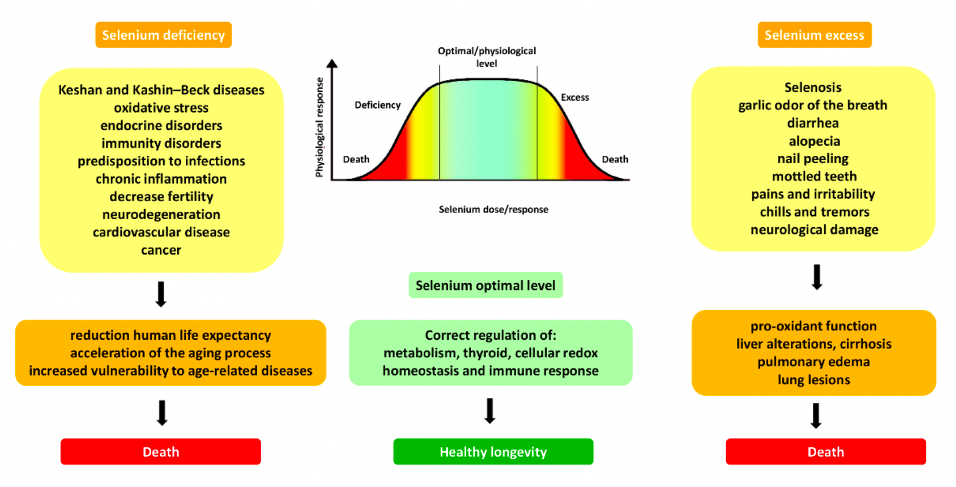
Selenium: an antioxidant with a critical role in anti-aging
Selenium possesses antioxidant properties at nutritional levels and pro-oxidant effects at supernutritional levels.
-
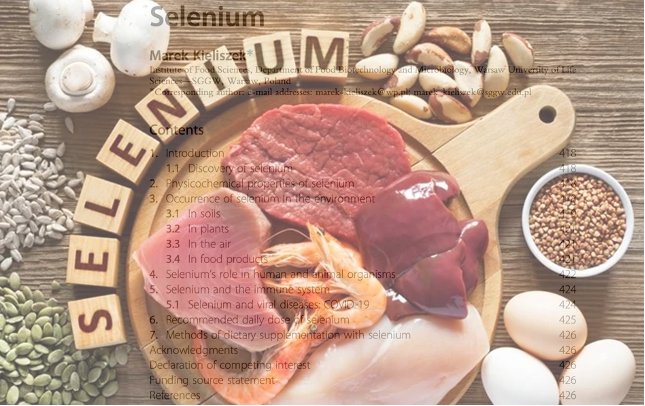
Selenium overview
Selenium as a cofactor of the enzymes responsible for antioxidant protection of the body, regulates inflammatory processes in the body.
-
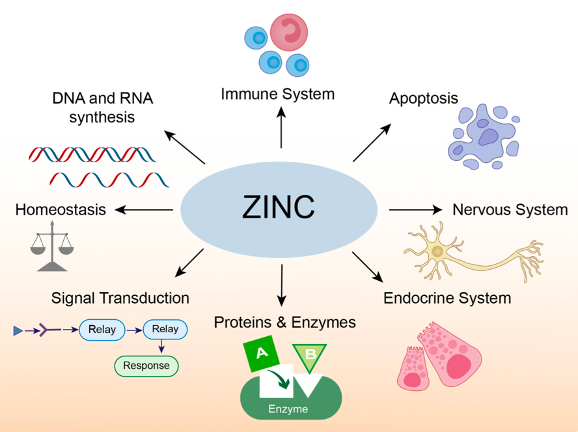
The important role of zinc in neurological diseases
Zinc, one of the most abundant metal ions in the central nervous system, is involved in protein and enzyme synthesis and activity.
-
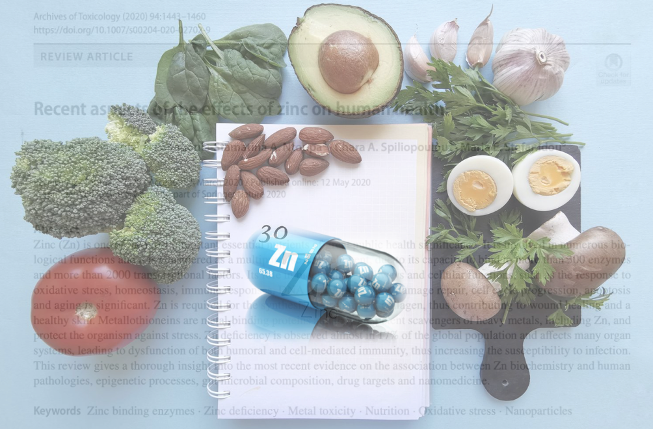
The effects of zinc on human health
Zinc is involved in many biological functions, and due to its capacity to bind to more than 300 enzymes and over 2000 transcription factors.
-
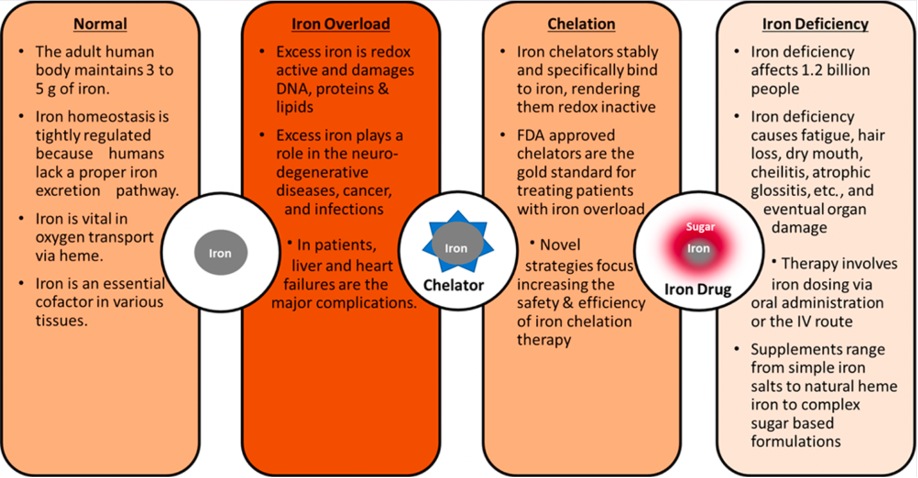
Role of iron in the molecular pathogenesis of diseases and therapeutic opportunities
Iron, an essential mineral in many biological pathways, is a prosthetic group for many proteins engaged in crucial cellular activities.
-
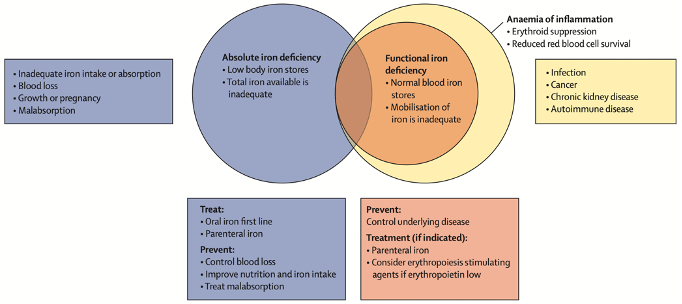
Iron deficiency as leading cause of diseases
Anemia is one of the many consequences of iron deficiency, and clinical and functional impairments can occur in the absence of anemia.
-
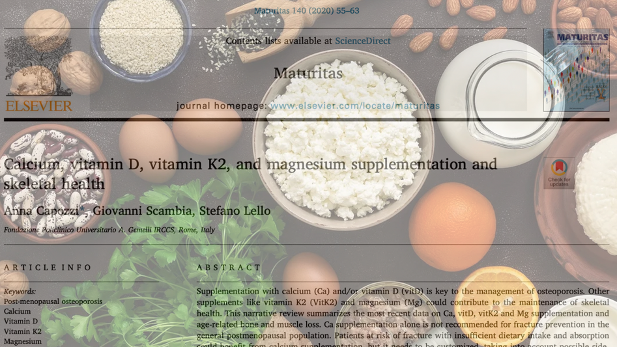
Calcium, Vitamin D, Vitamin K2, and magnesium supplementation and skeletal health
Fracture-prone patients need vitamin D supplementation. Bone metabolism may also require vitamin K2 and magnesium.
-
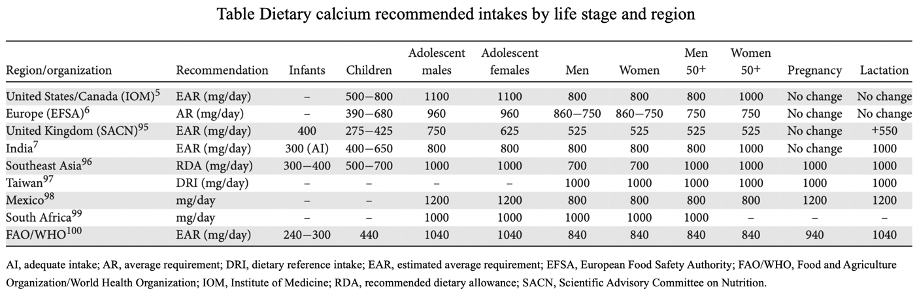
Calcium supplementation and human health
Plasma calcium homeostasis helps with skeleton maintenance, hormone secretion regulation, nerve impulse transmission, and vascular activity.
-
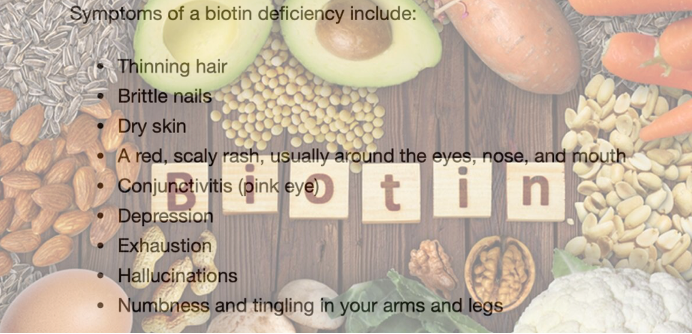
Biotin and its deficiency
Biotin is an essential vitamin that is obtained through the diet and efficiently recycled for further use.
-
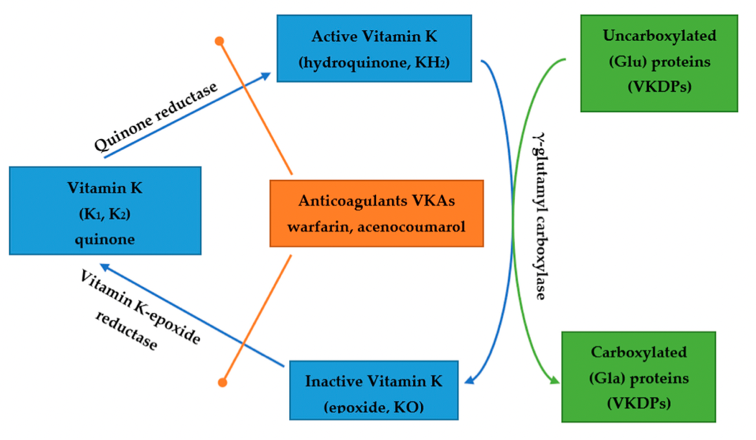
Biological role of Vitamin K—with particular emphasis on cardiovascular and renal aspects
Patients at high risk of VC or bone problems, especially those with CKD, may benefit from vitamin K supplementation.